Buying a period property in Kent: what catches people out on insurance
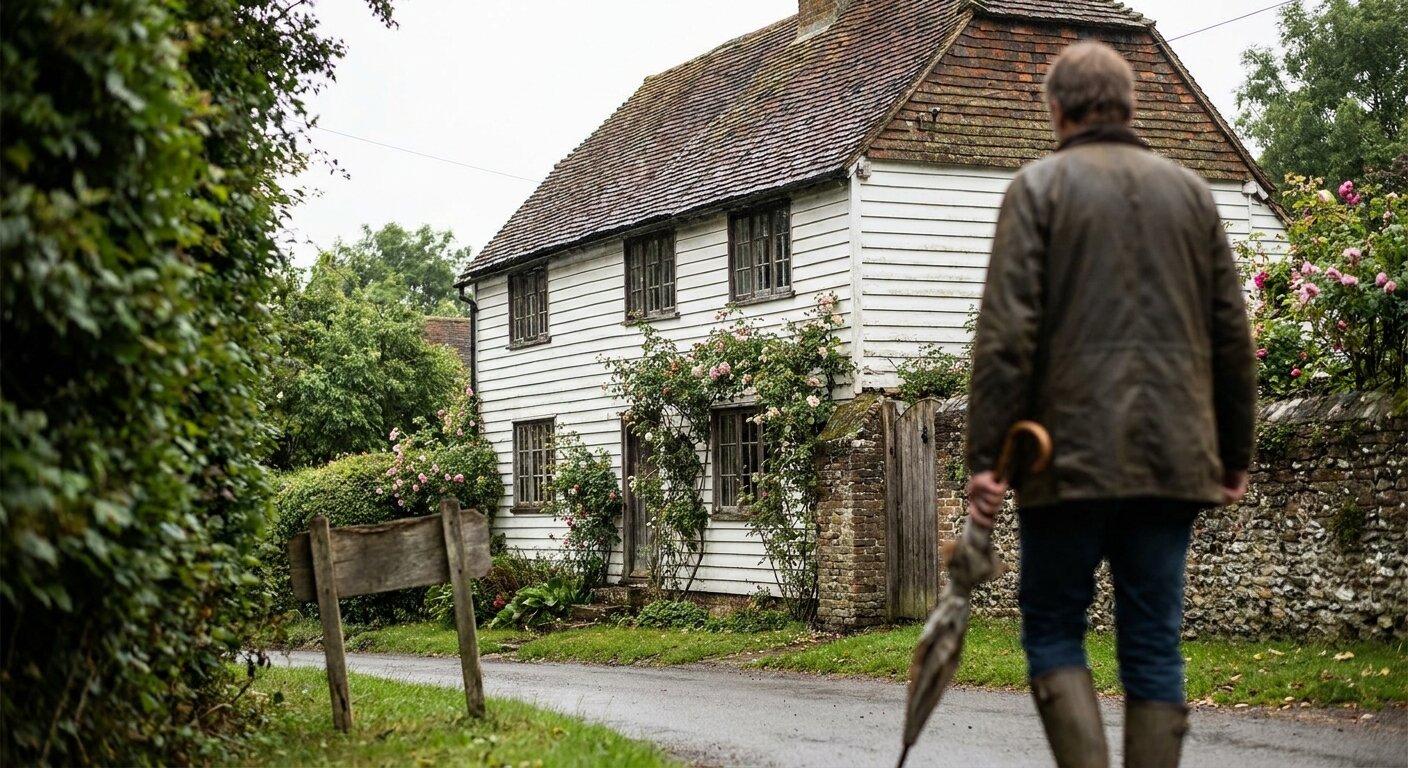
North Kent is full of older houses. Victorian terraces run through Gravesend and Northfleet, and out in the villages you find weatherboarded and timber-framed cottages, some of them listed.
People fall in love with these houses, and they are right to. But insuring one is a different exercise from insuring a 1990s semi, and it is a much better conversation to have before exchange than after.
The single most useful idea in this article
Rebuild cost is not market value, and for an older house the two can be a long way apart.
Most people assume a cheaper house is cheaper to insure. Buildings insurance is not about what you paid; it is about what it would cost to put the house back. With traditional materials and traditional methods, that can be considerably more than the price on the listing.
It can go the other way too. Either way, guessing is the problem. A proper rebuild assessment is worth having on an older property rather than putting a round number in a form.
Materials and construction, and why insurers ask
Insurers ask about construction because it changes how a claim is repaired, not because they are being difficult. In this part of Kent the things that come up are:
- Timber frame and weatherboarding, common in the villages.
- Solid walls with no cavity, which is most of the Victorian stock.
- Lath and plaster internally.
- Peg tile or slate roofs, which are repaired by different trades and to different costs than modern coverings.
None of these makes a house difficult to insure. They make it a house that needs describing accurately.
Listed buildings and conservation areas
If a building is listed, or sits in a conservation area, consent can govern how a repair is carried out: what materials are used, and by whom.
That has an obvious consequence for insurance. A policy needs to reflect the cost of a repair done the way it will actually have to be done. We are not going to set out what any particular consent regime requires, because it varies and it is a question for the local authority and your solicitor. The principle is what matters: check it, early.
The things that actually come up round here
Subsidence, on clay, after a dry summer. Clay soils shrink in prolonged dry weather, and that movement is associated with subsidence. Older properties with shallower foundations feel it more. It is worth knowing whether a policy includes subsidence cover, and what excess would apply if you claimed, because that excess is often higher than for other claims.
The river and the marshes. Gravesend sits on the south bank of the Thames with marshland to the north and east, so flood questions come up in some locations. We are deliberately not going to tell you whether a particular street is at risk. Look at the Environment Agency's own flood risk information for the specific address, because a general reassurance from us would be worthless and a general warning would be worse.
Older wiring and plumbing. Not glamorous, and a common source of both claims and questions.
What to actually do
Three things, in order:
- Ask the insurance question early, at the same time as the survey rather than the week before completion.
- Get a proper rebuild assessment if the property is old or unusual, rather than estimating.
- Describe the house accurately to the insurer: its age, its construction, its roof, its listed status. Policies vary enormously in what they cover, and an inaccurate description is the thing most likely to cause trouble at the point of a claim.
Why we are writing about this
Because it is part of buying the house rather than an afterthought, and because a great many of the properties our clients buy round here are exactly this sort of house.
We place buildings and contents cover as well as arranging mortgages, so it is one conversation rather than two. If you are looking at something older and want to talk it through, the initial consultation is free of charge and without obligation.
We are in Gravesend, and we know these houses.
Your home/property may be repossessed if you do not keep up repayments on a mortgage or other debt secured on it.
There may be a fee for mortgage advice. The precise amount of the fee will depend upon your circumstances.
Should you fail to disclose or misrepresent a fact, then you risk the insurer only paying part of the claim, declining to pay all the claim and possibly declaring the policy invalid.
Talk to us
Every situation is different. If you would like to talk yours through with someone, we are here in Gravesend and happy to help.
Recent articles
- Landlords in Kent: the local picture and keeping up with the rules
- Buying a period property in Kent: what catches people out on insurance
- Salary, dividends and retained profit: the words a lender will ask about
- Self-employed and thinking about a mortgage? The paperwork to get in order
- How lenders read a company director's income, and why brokers differ